Physical interaction with Gaussian Splats
There is no excerpt because this is a protected post.

School of Computer Science and Statistics
There is no excerpt because this is a protected post.
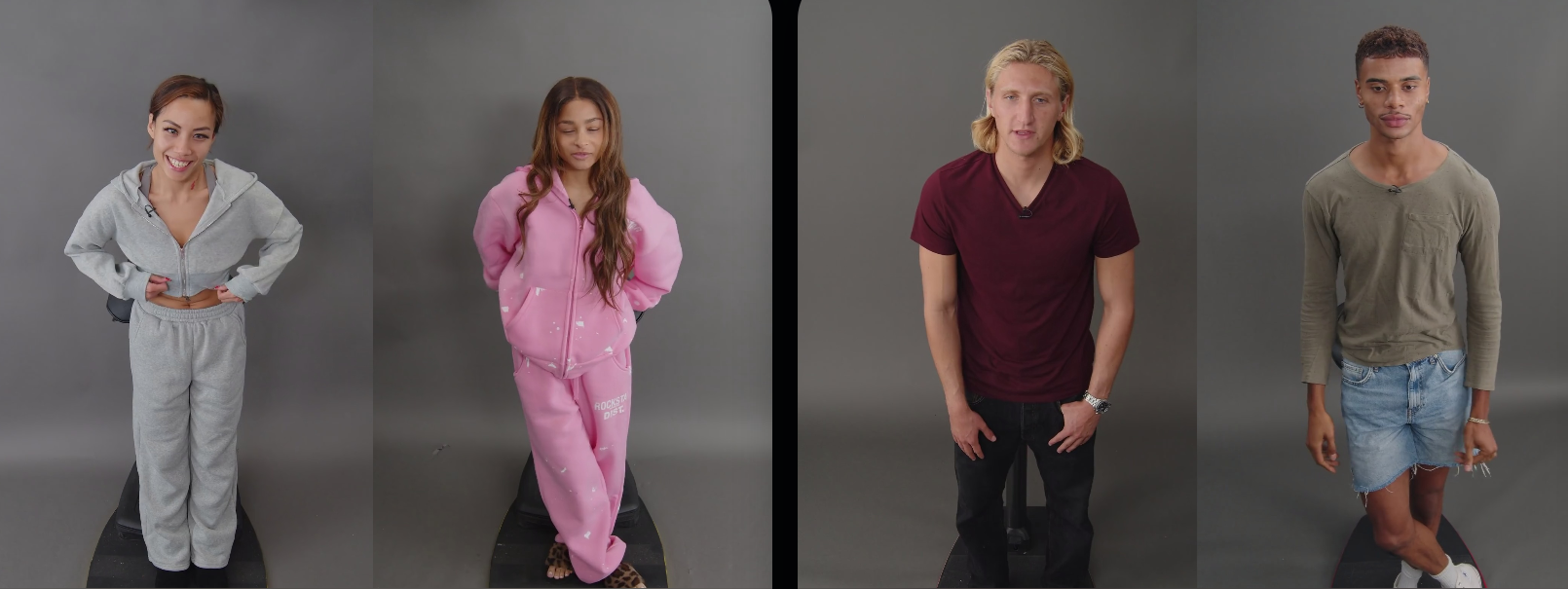
Can we tell something about a person from the way they move, even when their appearance has been completely changed? In this project, the student will use selected interactions from Meta’s Seamless Interaction dataset to create animated MetaHuman characters in Unreal Engine 5. Real conversational motion will be transferred onto virtual characters whose appearance differs … Read more
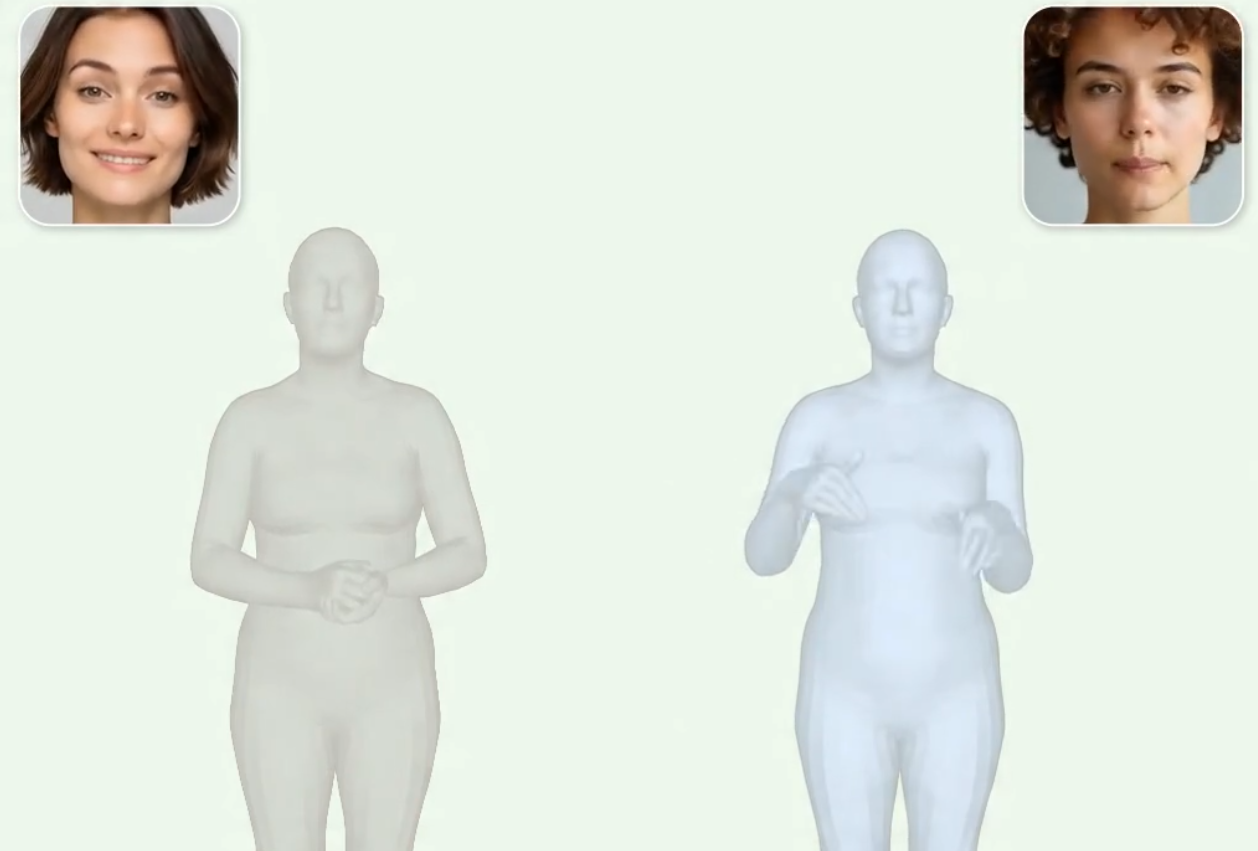
How do two people coordinate their movement, gaze, gestures and speech during a conversation, and what can these behaviours tell us about the social interaction taking place? In this open-ended project, the student will use Meta’s Seamless Interaction dataset, a large-scale multimodal dataset of face-to-face interactions containing processed body motion, facial behaviour, gaze, audio, speech … Read more
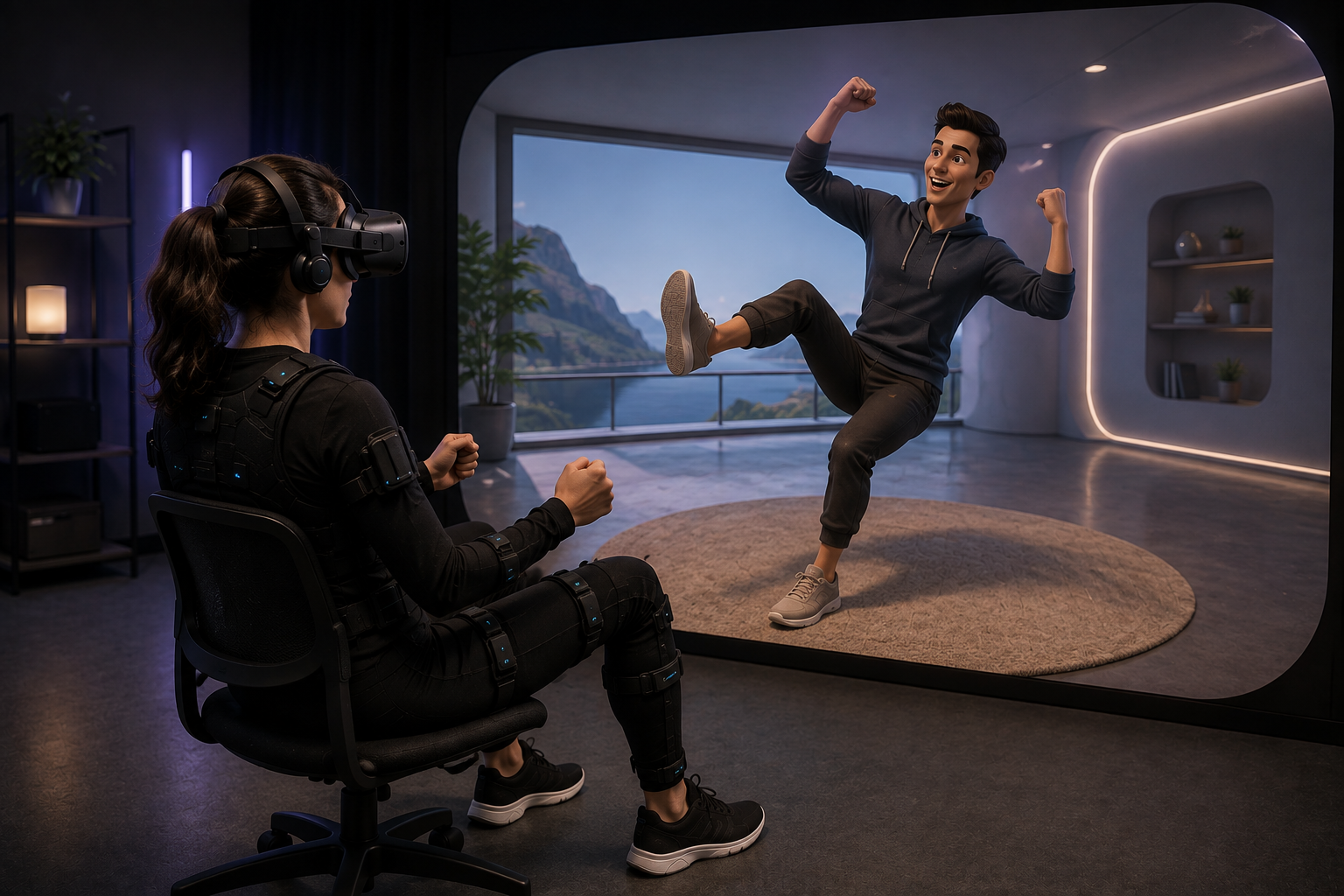
In Virtual Reality, strong embodiment is usually achieved by making an avatar closely reproduce the user’s physical movements. But what happens when the virtual body does not move in the same way as the real body? Can haptic feedback help users accept unfamiliar virtual movements as their own? In this project, the student will develop … Read more
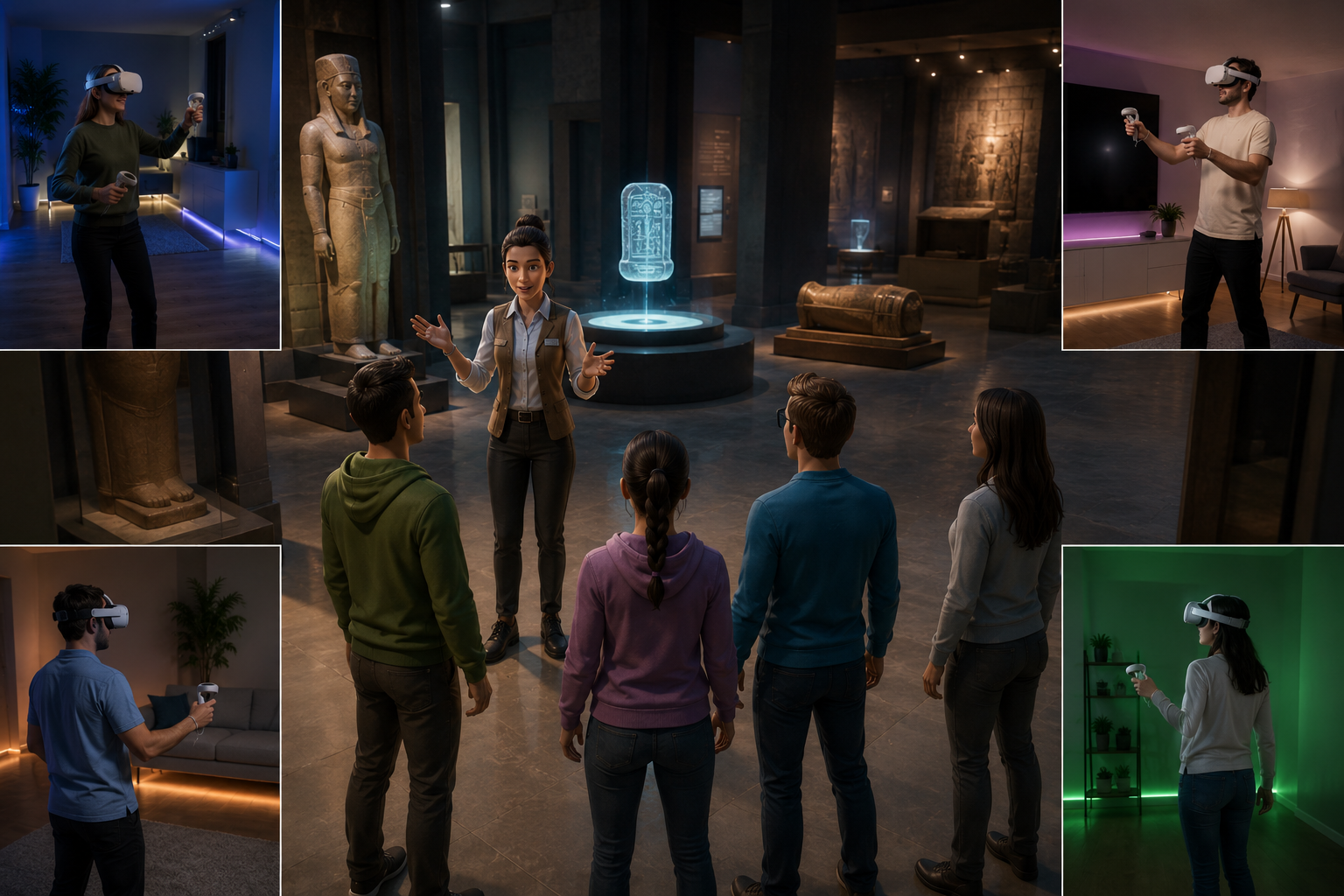
Imagine visiting a virtual museum as a family after closing time, where the exhibits have mysteriously come to life and an AI-driven virtual museum guide needs your group’s help to discover what has happened. This project will develop a short multiplayer VR experience for 3–4 players, in which a MetaHuman guide dynamically responds to the … Read more
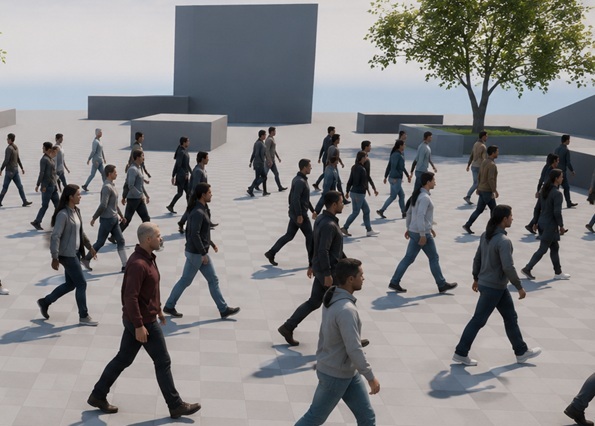
Virtual crowds typically rely on a limited set of motion-capture clips, which can lead to visible repetition and reduce the perceived diversity and realism of the crowd. This project will investigate whether Epic Games’ new AnimGen generative animation framework can be used to create more varied and individualised motion for virtual crowds. The student will … Read more
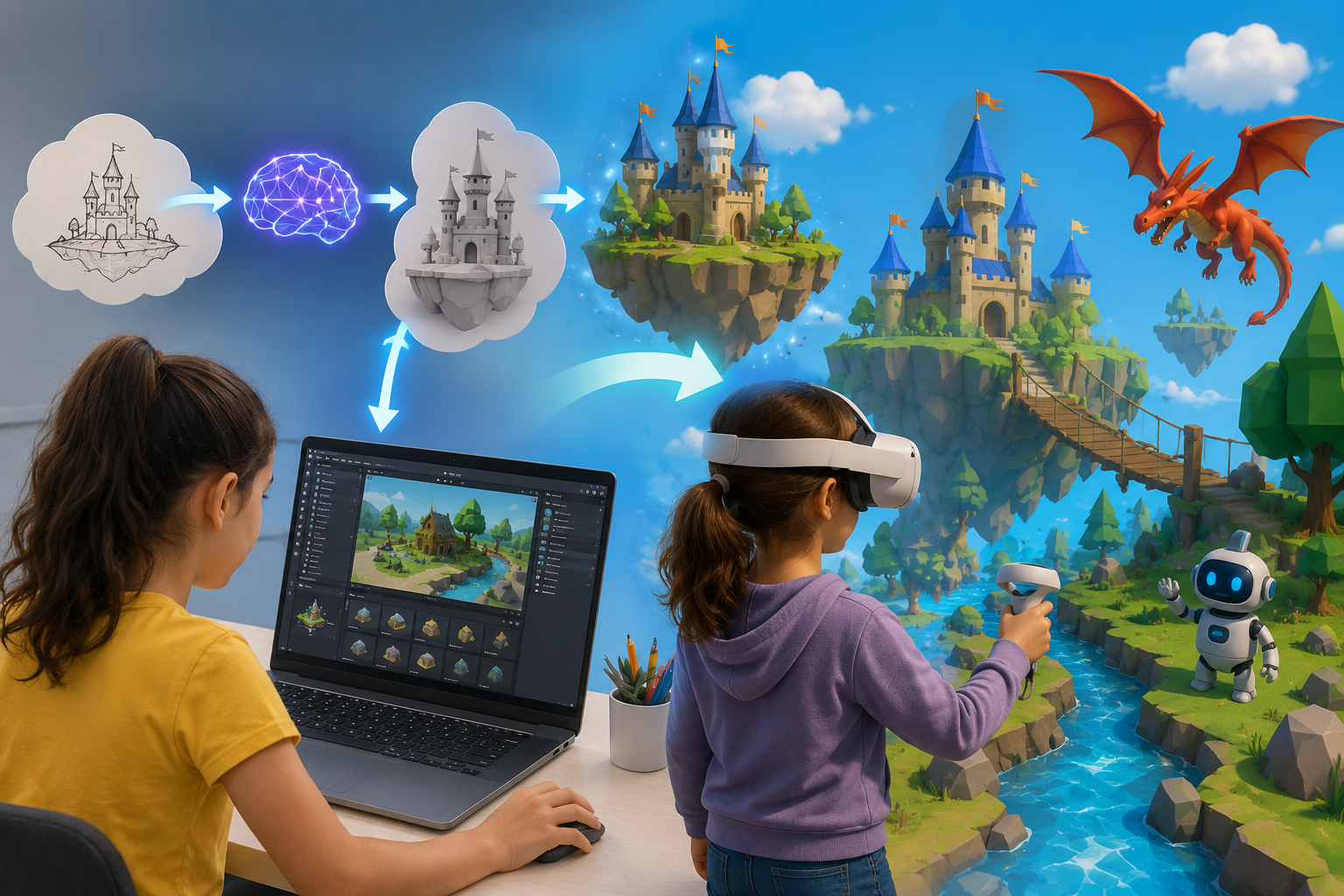
Creating Virtual Reality experiences normally requires specialist software and significant programming experience. This project will investigate how web-based 3D and generative AI tools can make VR creation accessible to children, allowing them to create a 3D world in a browser and then immediately experience it inside a VR headset. The student will develop a child-friendly … Read more
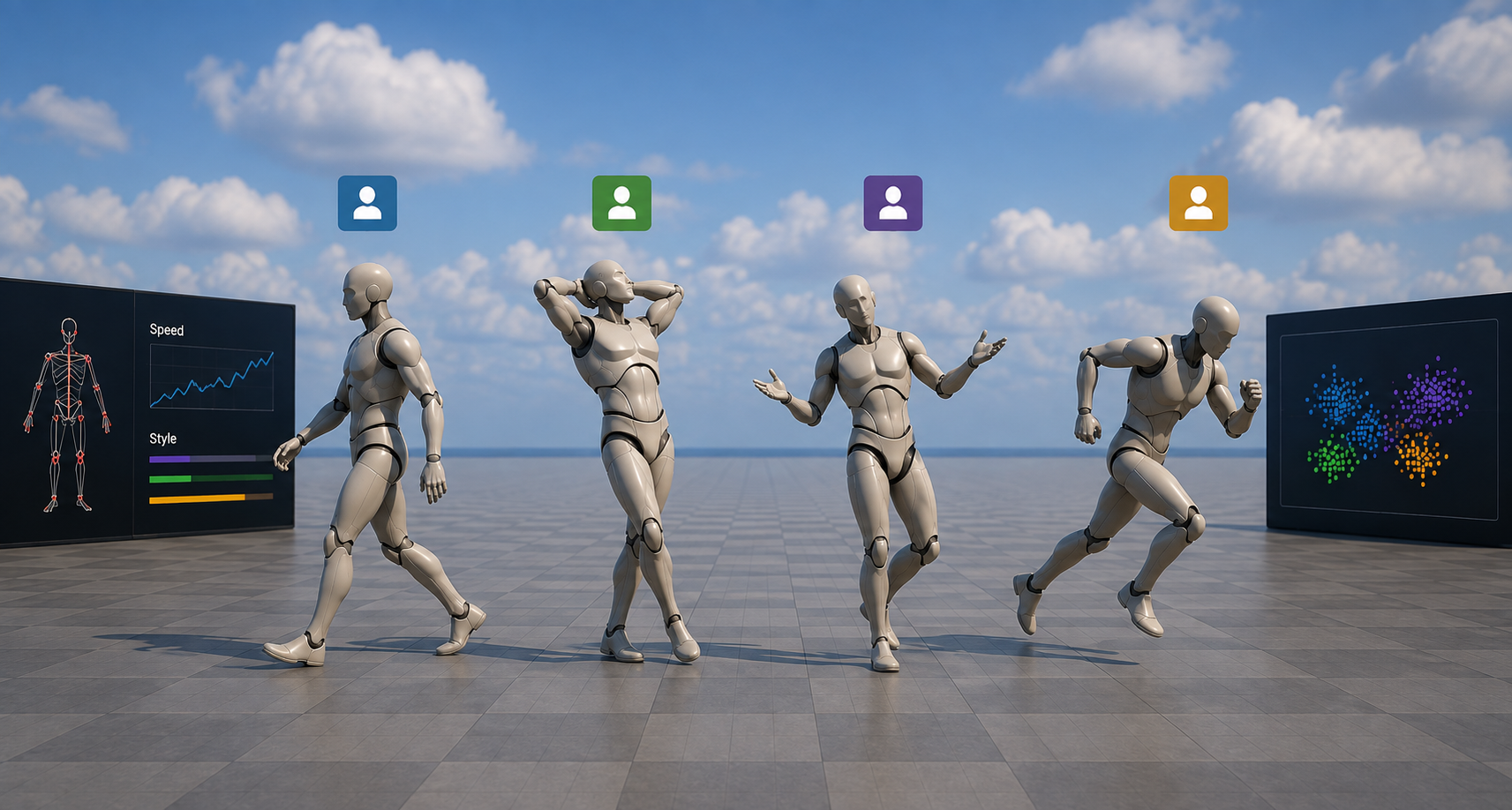
People perform the same actions in subtly different ways, creating an individual motion signature. This project will investigate whether these characteristics are preserved—or lost—when human motion is learned by a generative animation model. Using Epic Games’ new AnimGen framework and the HiPHI motion-capture dataset, the student will select a small number of performers performing similar … Read more
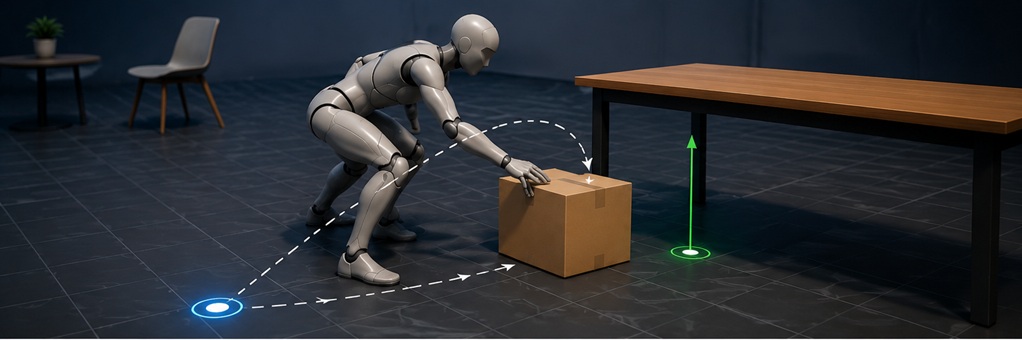
Recent generative animation models can create realistic character motion rather than simply replaying existing animation clips. In this project, you will use Epic Games’ new AnimGen framework and motion-capture data from the large-scale HiPHI dataset to investigate human-object interaction. The student will select a manageable subset of interactions, such as approaching, reaching for, picking up … Read more
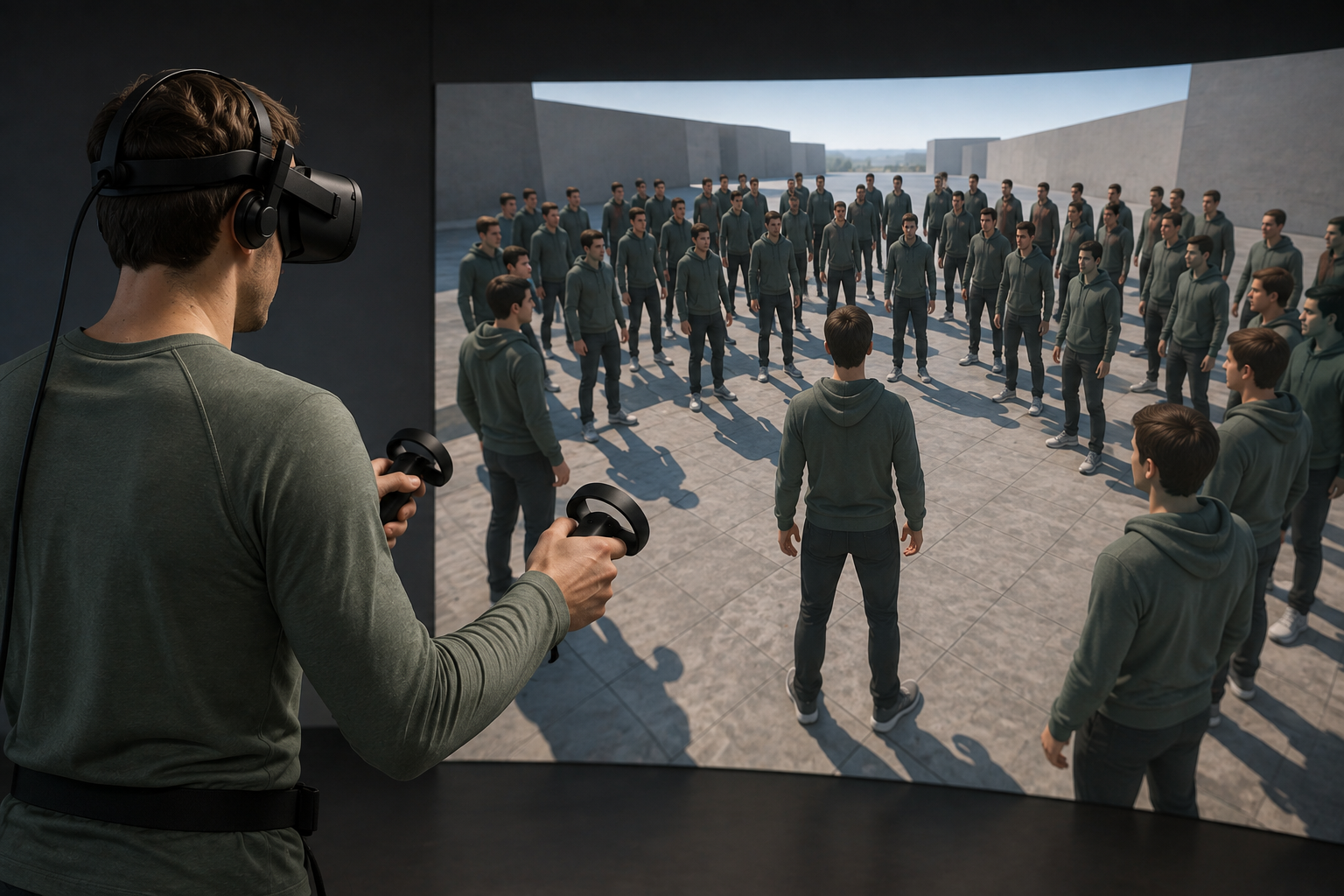
How we move through a crowd is influenced not only by where other people are, but also by how we perceive them. This project will investigate whether the appearance and proximity of virtual people influence how users behave when navigating through a crowd in Virtual Reality. The student will develop a VR crowd environment in … Read more