[FYP] Can You See Who Is Underneath? Motion Identity in MetaHumans
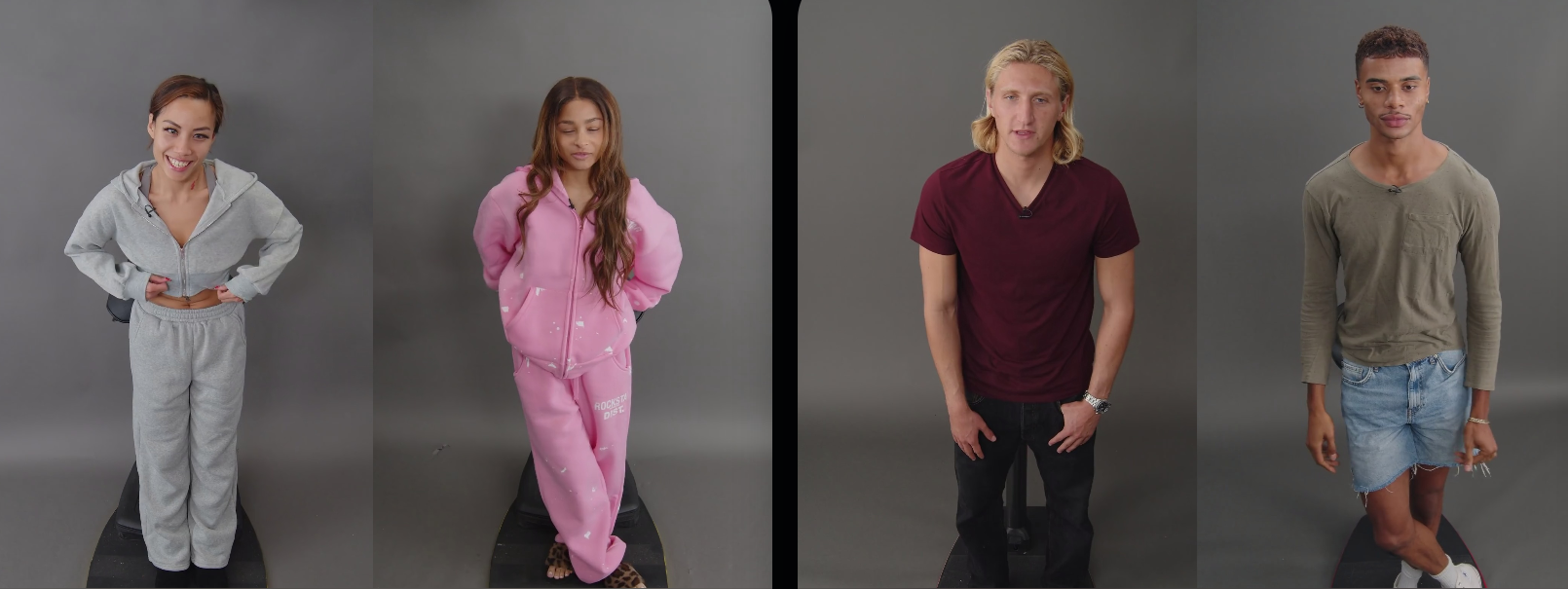
Can we tell something about a person from the way they move, even when their appearance has been completely changed? In this project, the student will use selected interactions from Meta’s Seamless Interaction dataset to create animated MetaHuman characters in Unreal Engine 5. Real conversational motion will be transferred onto virtual characters whose appearance differs … Read more
Feel the Motion: Haptics for Embodying a Different Virtual Body

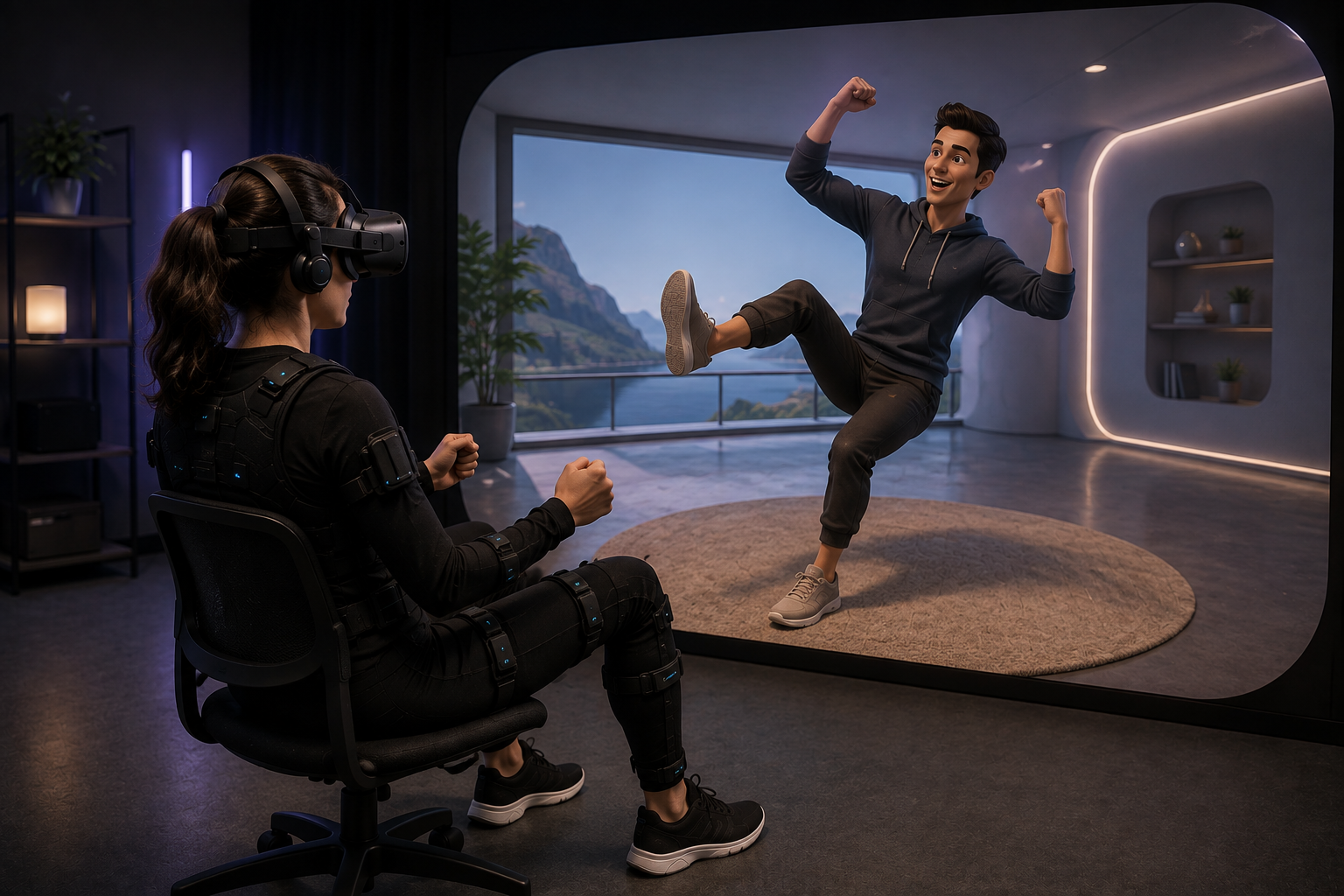
In Virtual Reality, strong embodiment is usually achieved by making an avatar closely reproduce the user’s physical movements. But what happens when the virtual body does not move in the same way as the real body? Can haptic feedback help users accept unfamiliar virtual movements as their own? In this project, the student will develop … Read more

Surrounded: How Virtual Crowds Influence Us

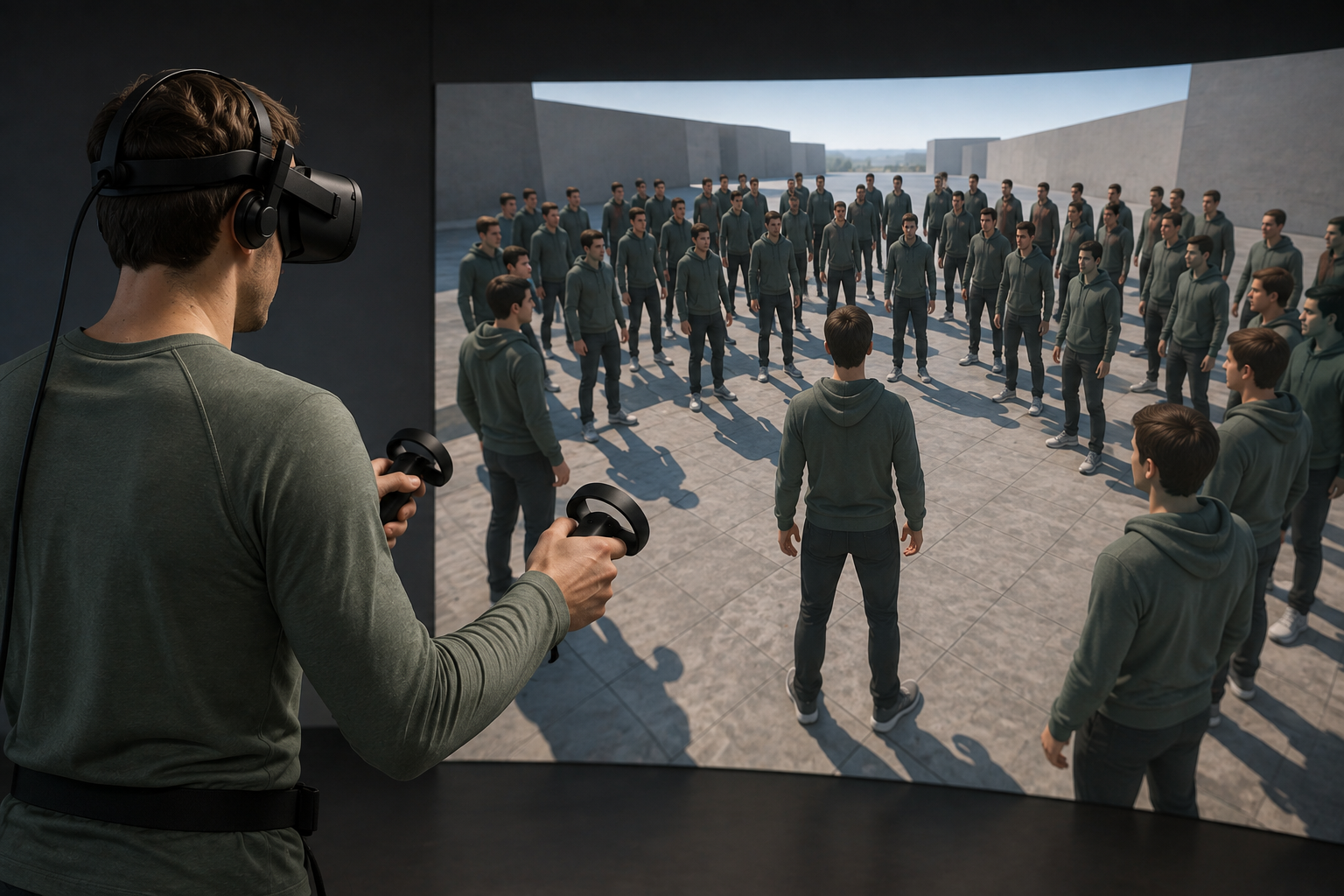
How we move through a crowd is influenced not only by where other people are, but also by how we perceive them. This project will investigate whether the appearance and proximity of virtual people influence how users behave when navigating through a crowd in Virtual Reality. The student will develop a VR crowd environment in … Read more

[TAKEN] Someone Else in the Mirror: Transforming Face and Voice with Generative AI

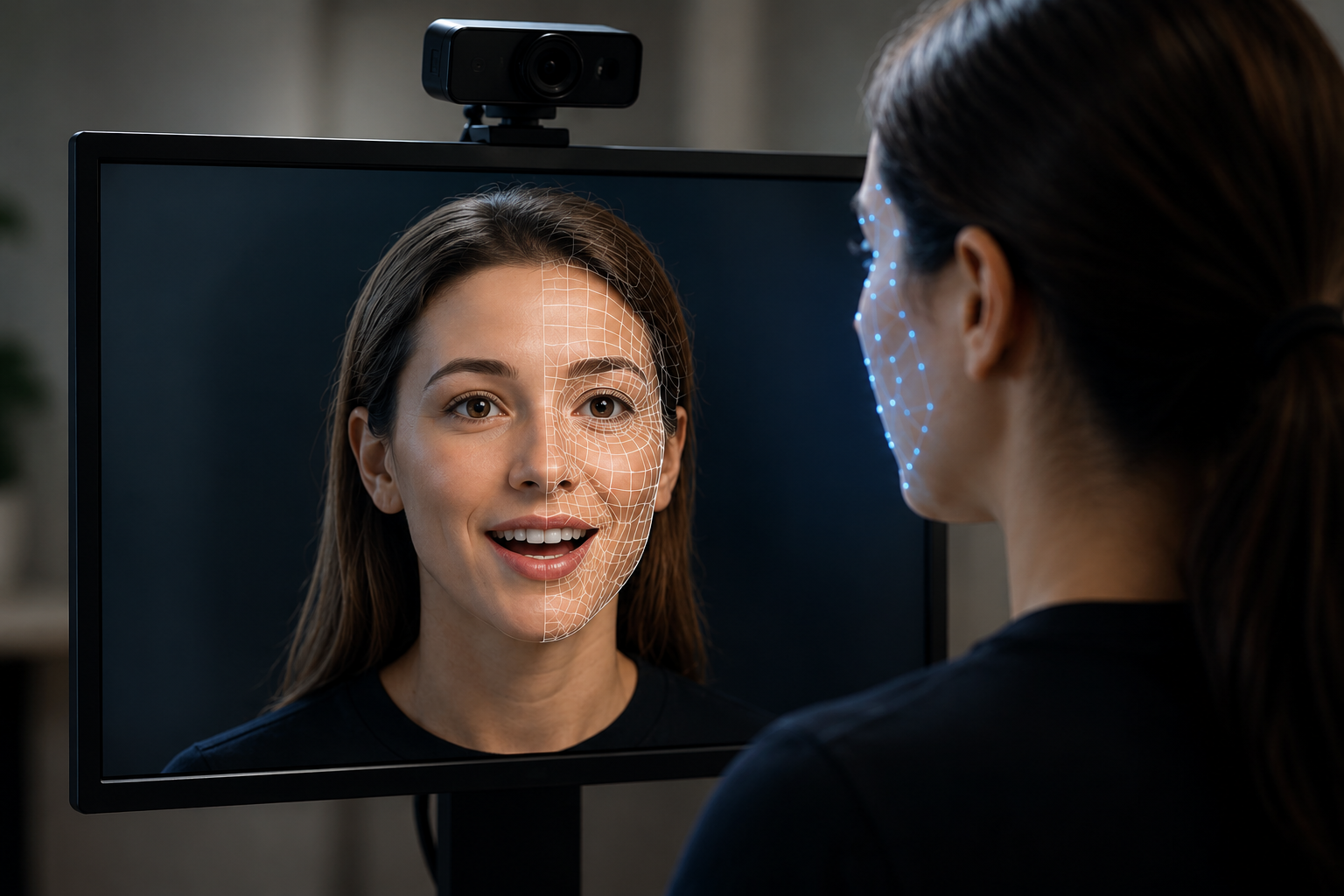
Recent advances in generative AI make it possible to realistically transform both a person’s face and voice while preserving their underlying behaviour. This project will develop an interactive AI virtual mirror in which participants see their face transformed into another photorealistic identity while their own facial expressions and head movements drive the generated face. The … Read more

[TAKEN] PsyFace: Mapping Personality Traits to Procedural Facial Features in Unreal Engine

    This project will develop a procedural facial feature adjustment system for Unreal Engine MetaHumans that dynamically modifies key facial characteristics based on psychological associations between facial traits and personality impressions—for example, enlarging eyes to convey honesty or adjusting jawline to suggest dominance. The system will map established psychological findings about how facial features … Read more

[Unavailable] Perception of virtual faces

[FYP level] In this project, the student will run a number of experiments investigating perception of faces and facial expressions on realistically rendered and toon-rendered virtual faces. A large part of the work will be generating the stimuli, which will be done using a combination of Maya, Marmoset Toolbag, Mudbox, and Russian3DScanner. This project is … Read more